A point mass of 0.5 kg moving with a constant speed of 5ms –1 on a elliptical track experiences an outward force of 10N when at either endpoint of the major axis and a similar force of 125N at each end of minor axis. How long are the axes of the ellipse?
Text Solution
Verified by Experts2
Sol. We can prove that the radii of curvature of the ellipse at the endpoints of its axes are b 2 /a and a 2 /b , where 2a and 2b are the lengths of the major and minor axes, respectively. This geometrical result can be deduced using calculus or by considering one of a number of physical situations; what follows is one possibility.
Consider a planet orbiting the Sun in an ellipse. Newton’s second motion applied at the endpoint of the major axis, a distance r from the Sun gives
G 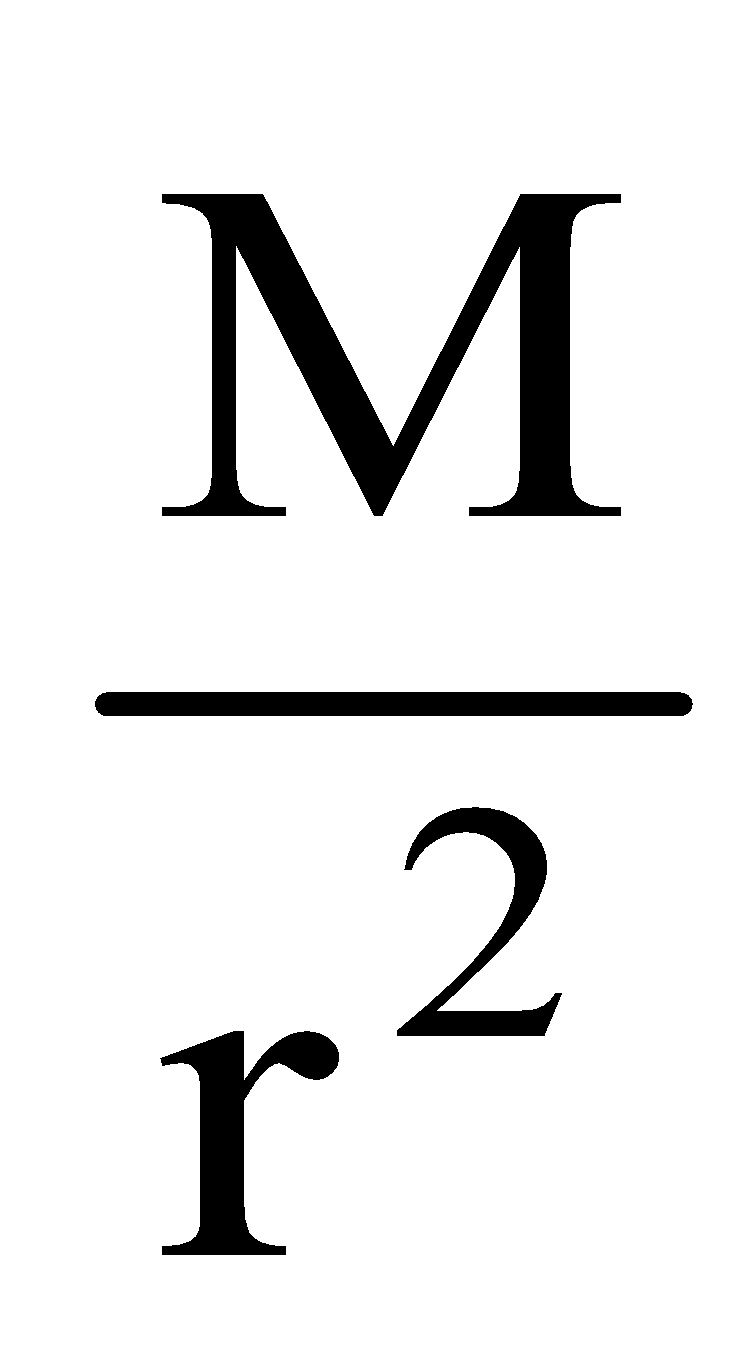 =
= 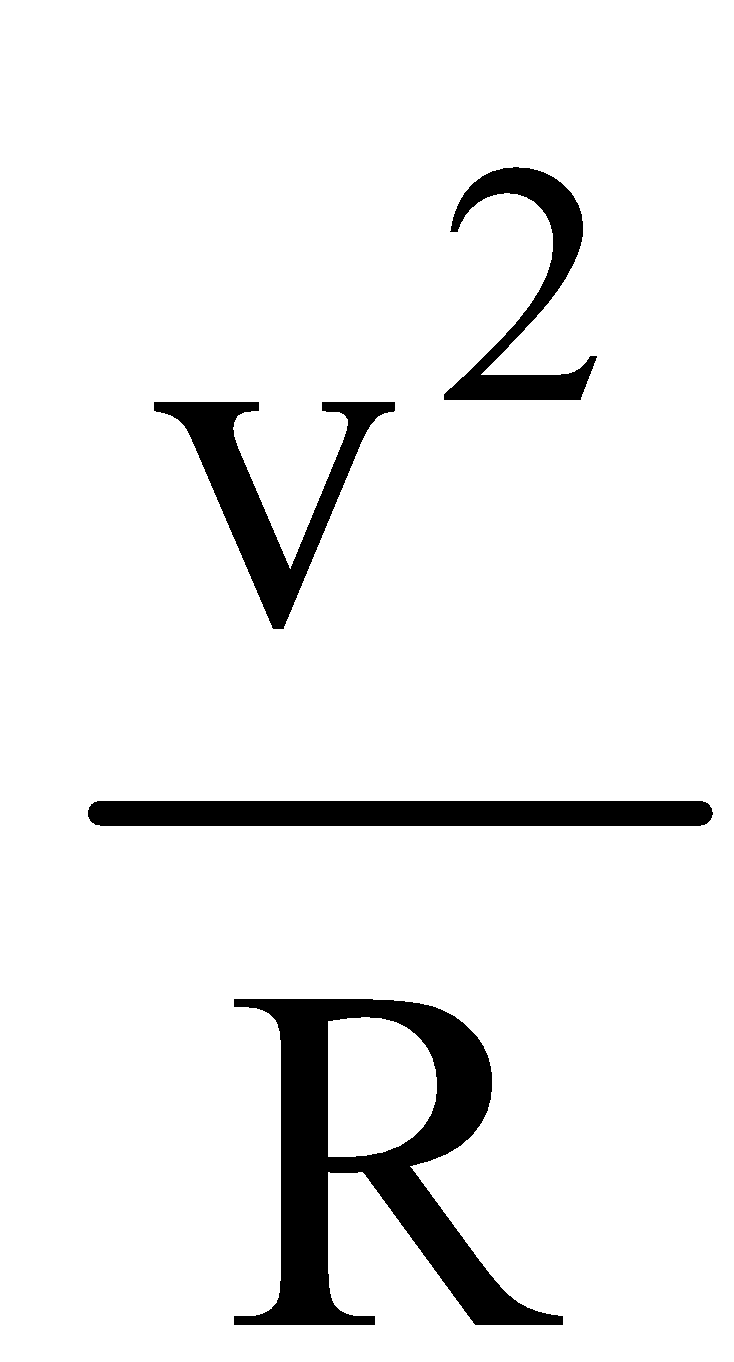 ,
,
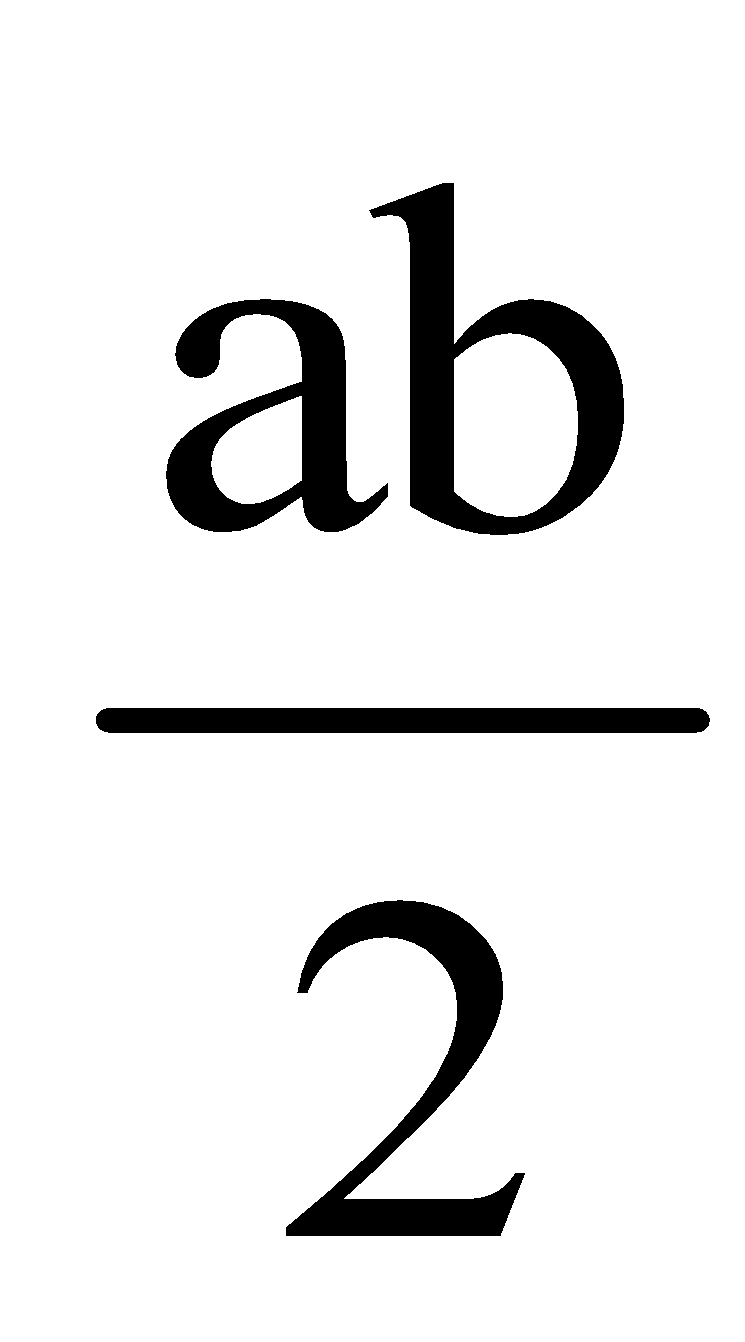
Where R is the radius of curvature at the endpoint and M is the mass of the Sun. According to Kepler’s third law the period of the orbit is 2п 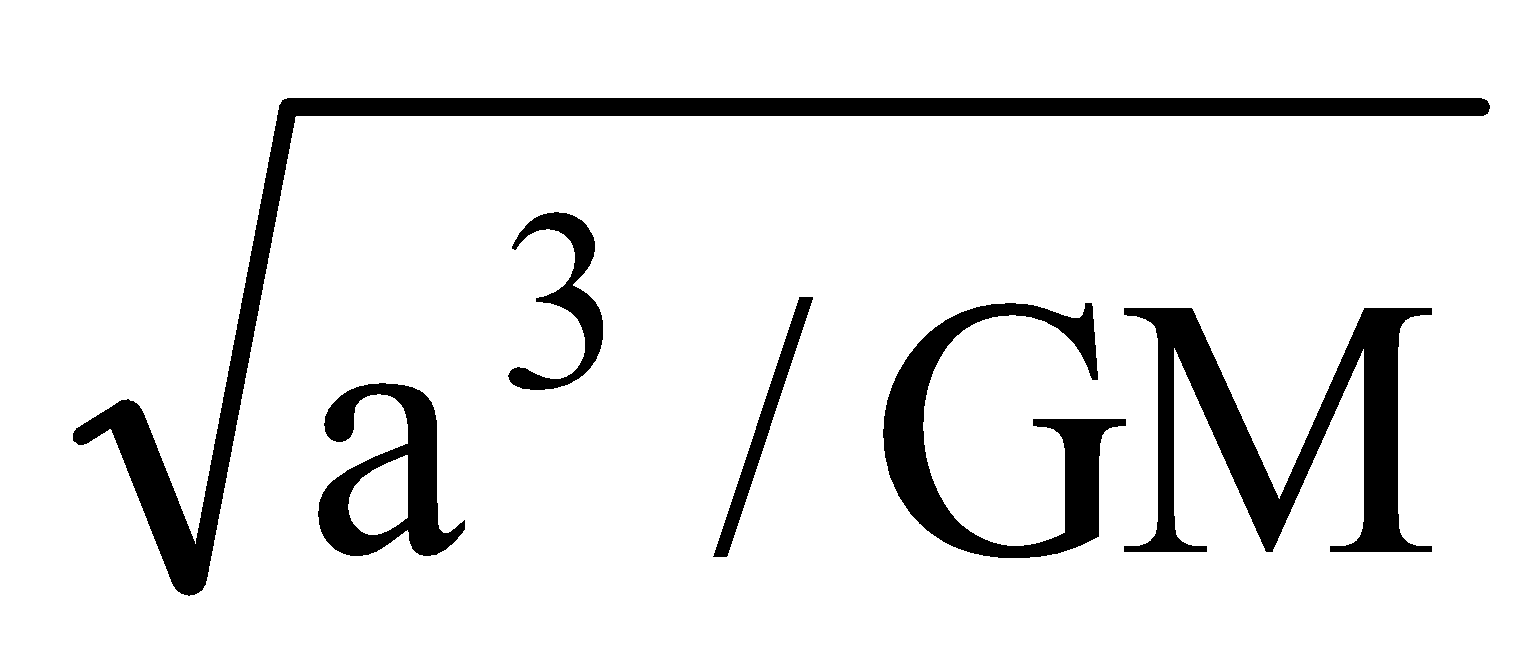 and the radius vector sweeps out area at a constant rate. The area of the ellipse is пab, and so equating two expressions for that constant the planet is at the endpoint of the major axis, we obtain
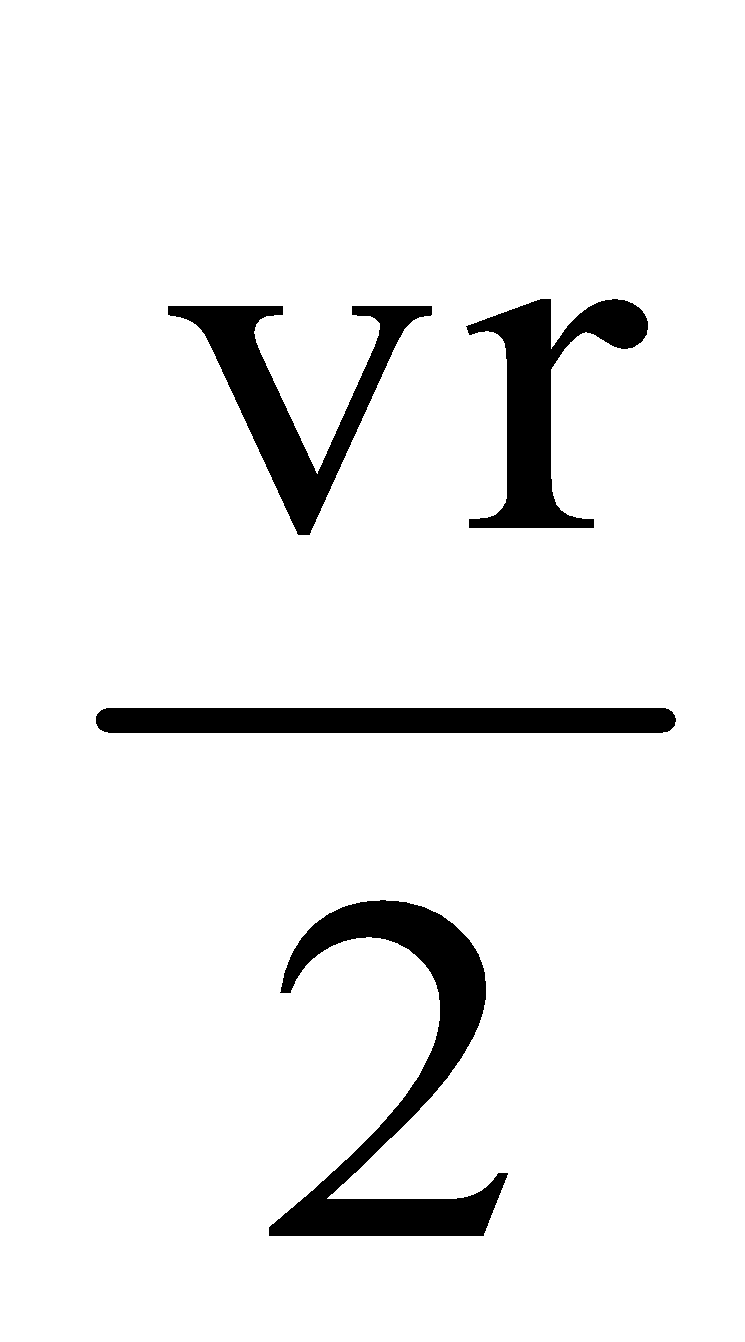 =
= 
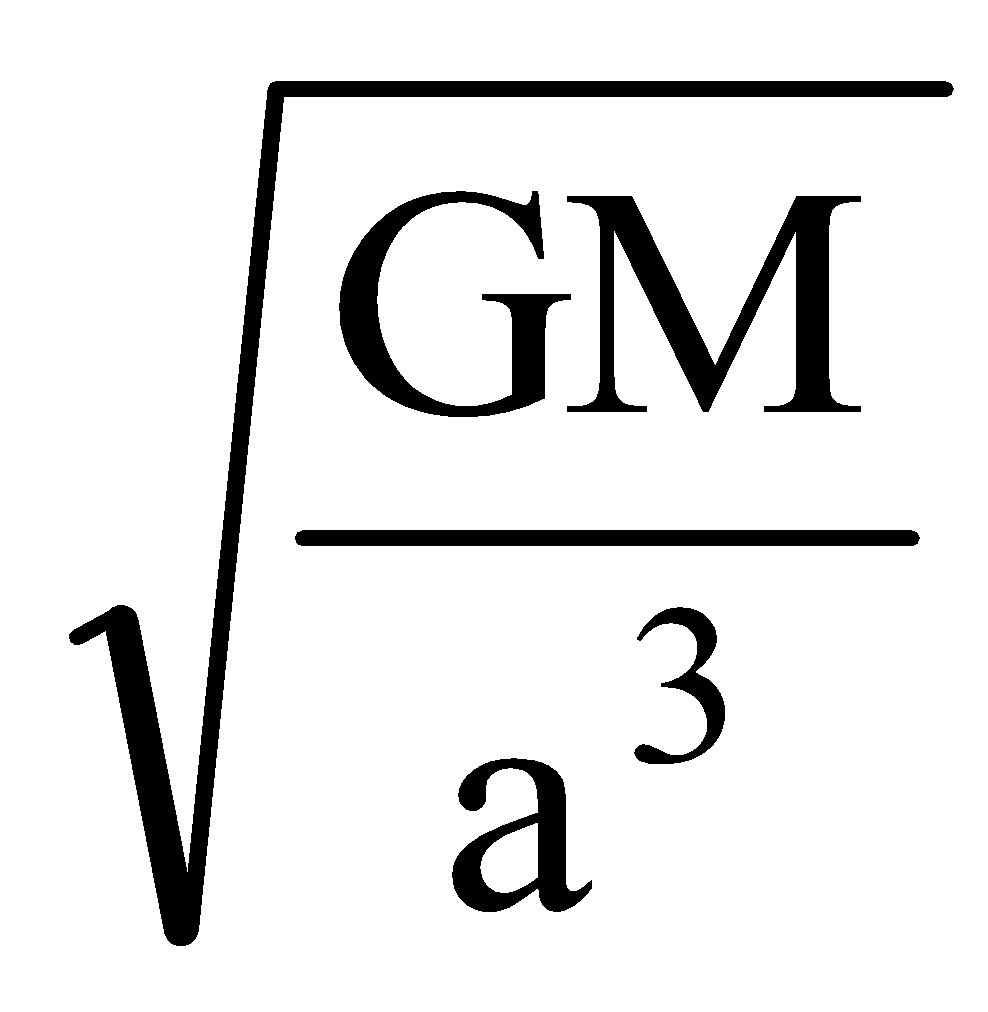 .
.
Comparing the above two equations we conclude that R = b 2 /a. For this argument we utilized the fact that the foci of the ellipse are on the major axes; we cannot therefore apply the same proof at the endpoints of the minor axis. However, in respect of their corresponding radii of curvature the two axes are symmetrical.
The uniformly moving point mass of the problem obeys the equation of motion
F = mv 2 /R, where R is the appropriate radius of curvature. Using the data given we obtain;
b 2 /a = 1.25 m; a 2 /b = 10 m and hence 2a = 10 m,
2b = 5m.
Prepare Smarter with CGP Edu
Get practice questions, solutions, and test series in one place.
Write a Review
Share your experience with this question and solution.
Commentary
Send your comment, doubt, correction, or feedback to admin.
Similar Questions
Explore conceptually related problems